
GreenLAND
Who benefits from a greener neighbourhood?
GreenLAND studies urban greenery in Luxembourg through the experiences of residents, the choices made in housing development, property values and the effects of vegetation on urban heat.
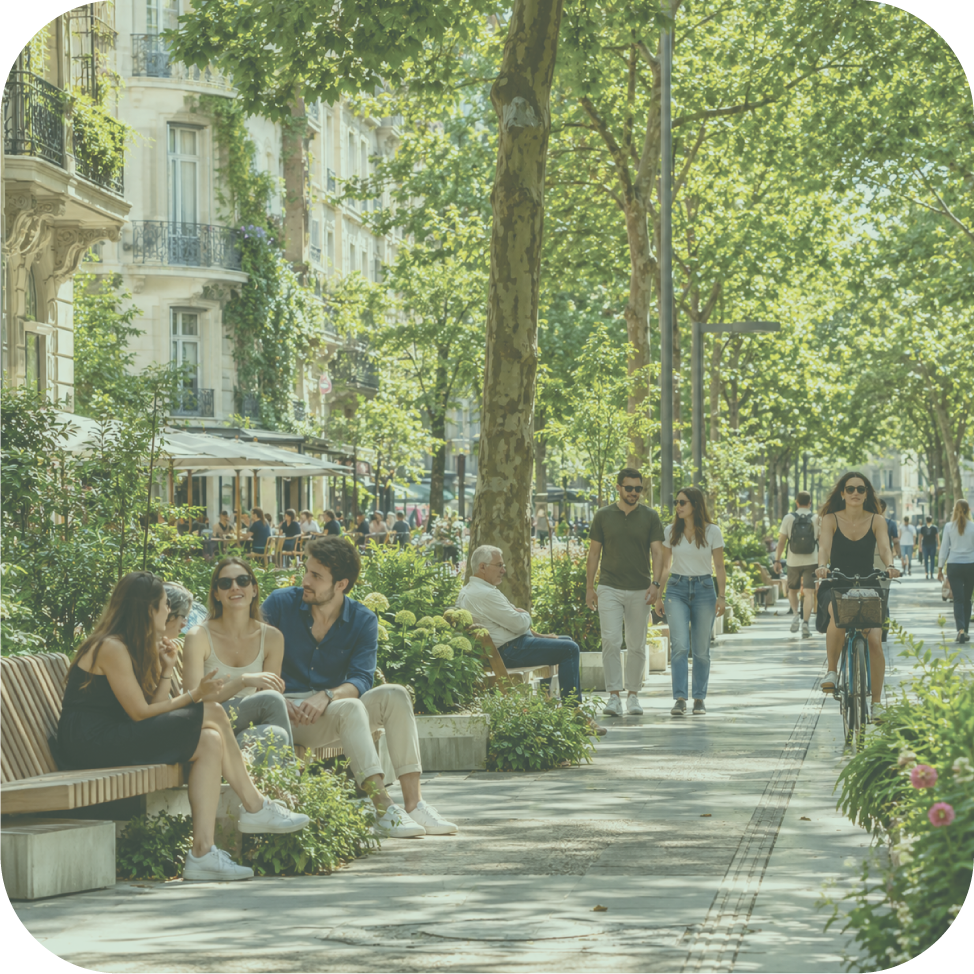
GREEN ACCESS
Who has greenery nearby, and where is it missing?
GREEN DEVELOPMENT
How is greenery included in new housing projects?
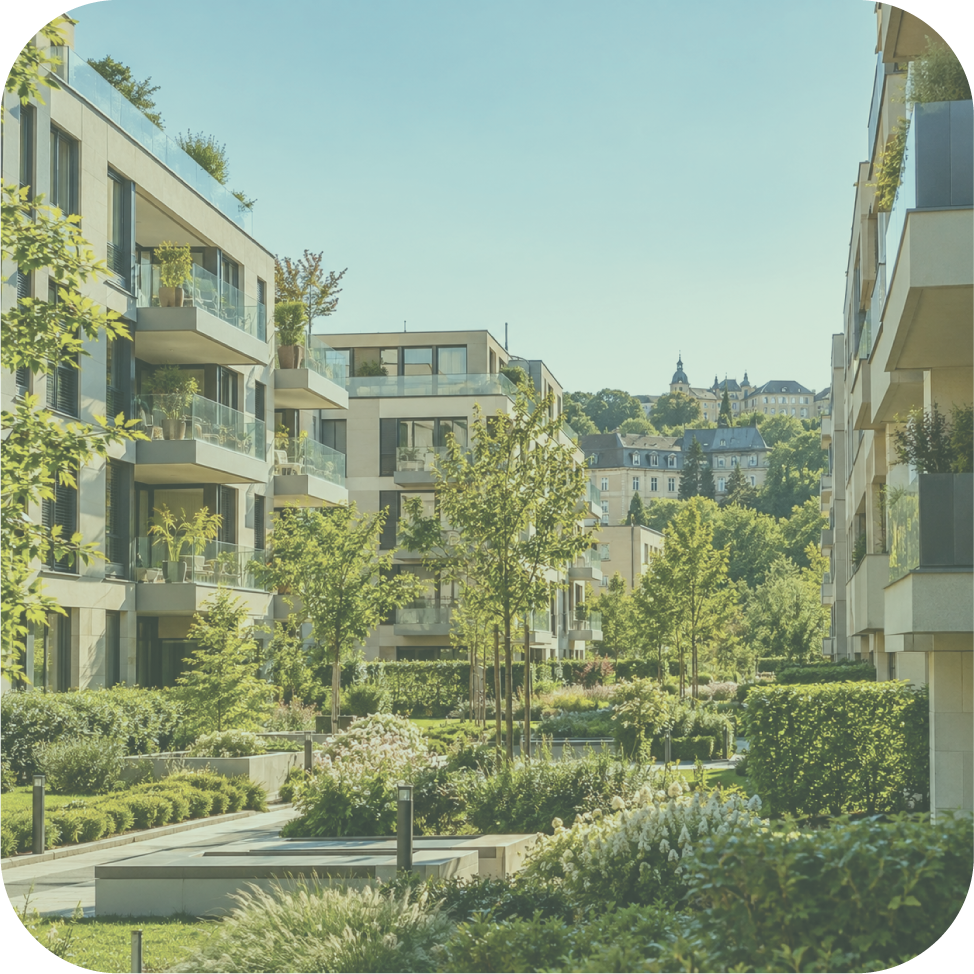
GREEN VALUE
Do green spaces and views influence property values?
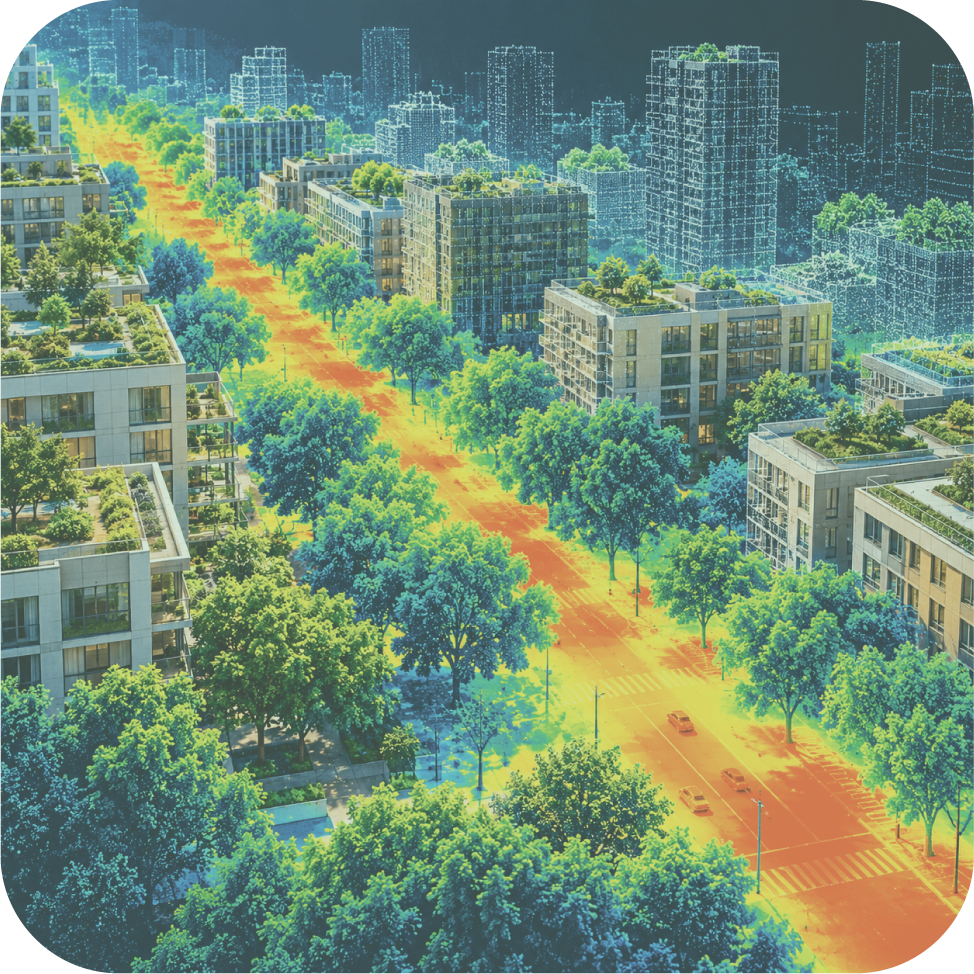
GREEN COOLING
Which types of greenery help cool neighbourhoods?
Why this research matters
The benefits of greenery are not shared equally.
A park may be close to home yet fail to meet residents’ needs. Some streets offer shade and green views, while others have very little. GreenLAND explores these differences and their links to urban development, housing and heat.
GREEN SPACES AND DAILY LIFE
What greenery do residents use, see and want near their homes?
EVIDENCE FOR PLANNING
Where could urban greening help address gaps in access and exposure to heat?
How we study GreenLAND
Listening, mapping and comparing
Listen
Surveys with residents and interviews with professionals involved in housing development.
Map
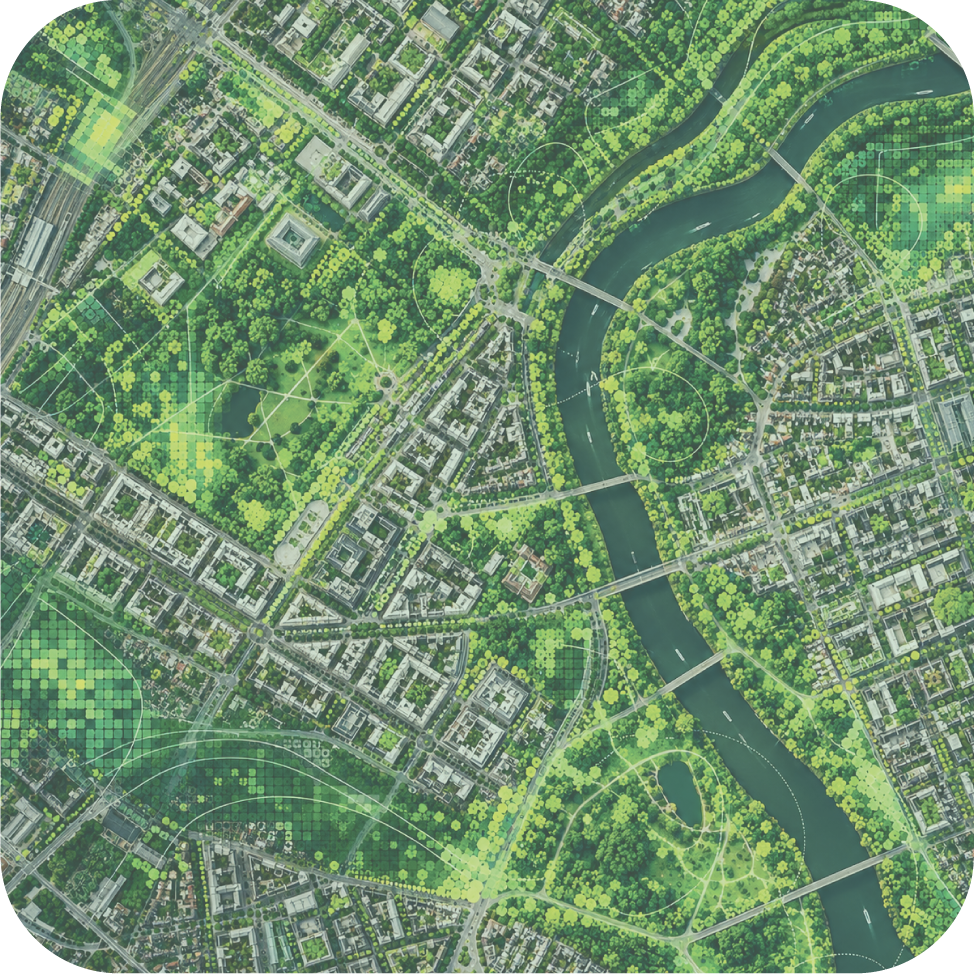
GIS, remote sensing and 3D data to study the location and structure of vegetation.
Compare
Housing and temperature data to examine how greenery relates to property values and urban heat.
A closer look
What can you see from your window?
Two homes can be equally close to a park but have very different views. GreenLAND plans to measure visible greenery in residential images and examine how green views relate to housing values.
Window Green View Index
Tell us about greenery where you live
Which green spaces do you use? What is missing from your neighbourhood? GreenLAND will invite residents in Luxembourg to share their views through a survey.