

Karolina Zieba-Kulawik is a Research Associate at LISER. Principal Investigator of GreenLAND project. She is landscape architect with a PhD in Environmental Sciences, specialising in urban forestry. Her academic background is complemented by postgraduate studies in GIS and geoinformatics. Her research focuses on analysing the dynamics of cityscape changes, defining landscape metrics, examining the 3D structure of urban forms, exploring aspects of property markets, and assessing ecosystem services provided by greenery. Her goal is to apply innovative mix-methods to addresses critical socio-spatial challenges associated with the outcomes of individual behaviours (i.e. residential decisions, greening practices) and the impacts of policies (e.g. urban densification, land use changes, environmental regulations) on climate change (e.g. urban heat islands, biodiversity loss). She contributes to the Housing Observatory, HypeRent project (FNR) in Luxembourg and international projects: DIALOG (INTERREG) and Li4LaM (European Commission, Erasmus+).
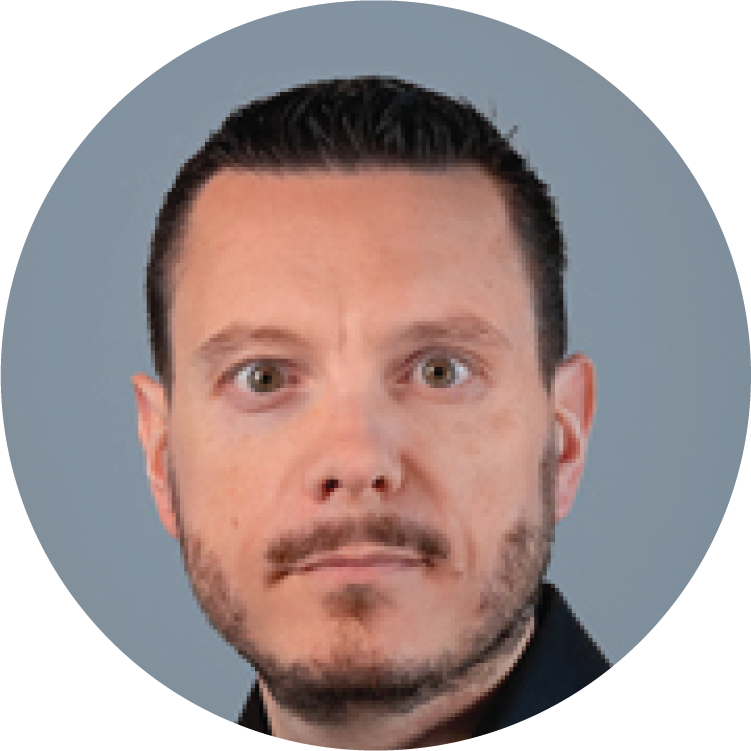
Julien Licheron is a Research Fellow in the department Urban Development and Mobility at LISER since 2009. He holds a PhD in Economics from the University of Rennes (France). His main research interests are housing and real estate economics; hedonic modelling and housing valuation; identification of housing bubbles; meta-analysis and meta-regression; cross-border issues. He was the national coordinator of the Housing Observatory (“Observatoire de l’Habitat”) between 2009 and 2018. The Housing Observatory in Luxembourg is a department of the Ministry of Housing whose works have been done in collaboration with LISER since its inception in 2003. Julien Licheron mainly contributes now as a researcher in studying the evolutions of land prices, housing prices and rents.
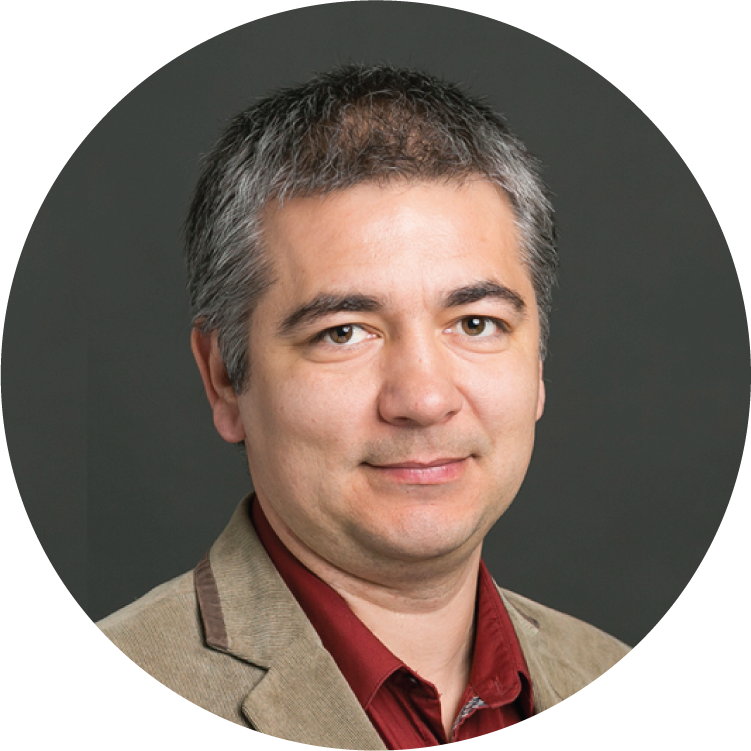
Konrad Skoczylas is a Senior Data Analyst at LISER, specialising in remote sensing, LiDAR, and spatial data analysis. He holds a Master’s degree from the University of Agriculture in Krakow (Faculty of Forestry) with a focus on Geographic Information Systems (GIS) and their applications in environmental and spatial analysis. At LISER, his work has focused on research related to urban development and housing, including projects carried out within the Housing Observatory. His work focuses on land-use change, land consumption, and residential density, combining geospatial data with advanced spatial analysis techniques. His research interests include 3D urban indicators, building and vegetation density, smart and resilient cities, urban forests, and land surface temperature (LST).

Constance Uyttebrouck is a Research Associate at LISER. She holds a Master’s degree in Architectural Engineering, a PhD in Architecture and Urban Planning, and has five years of experience in the construction industry. She leads the FNR-funded HypeRent research project and contributes to the work of the Housing Observatory, a longstanding collaboration with the Luxembourg Ministry of Housing. Her research interests include (shared) housing provision for young people, housing hyper-commodification, mixed-use development, institutional frameworks, and urban governance.
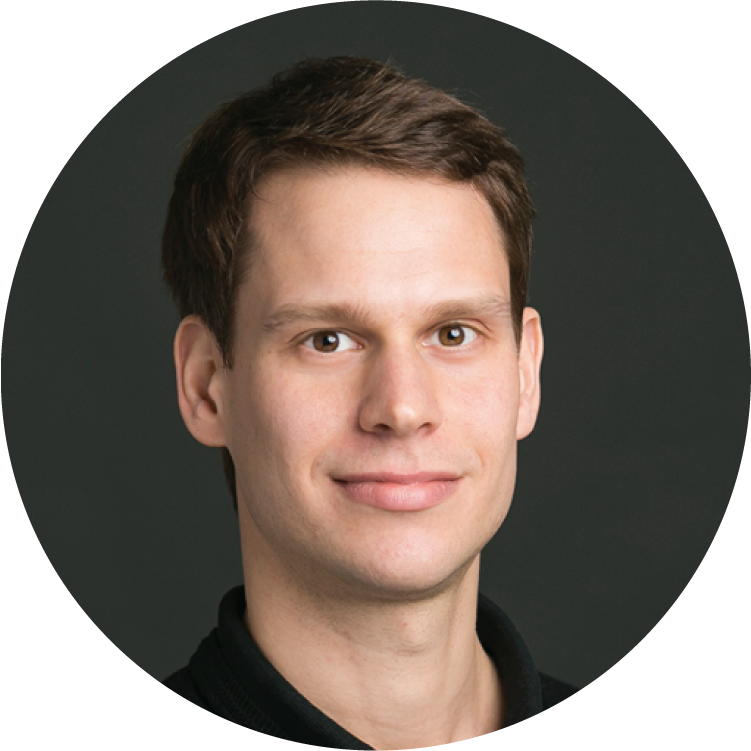
Antoine Paccoud is a Research Scientist at LISER. He is a social geographer interested in the inequalities created through the ownership of land and housing. He coordinates the Housing Observatory, a collaboration between LISER and the Luxembourg Housing Ministry focused on the analysis of housing data and policies. He has published on Haussmann’s transformation of Paris, on gentrification linked to the private rental sector in the United Kingdom (buy-to-let gentrification), and on the application of Alain Badiou’s ideas to the social sciences. He is currently studying the consequences of Luxembourg’s highly unequal landownership structure for housing production and local economic development.
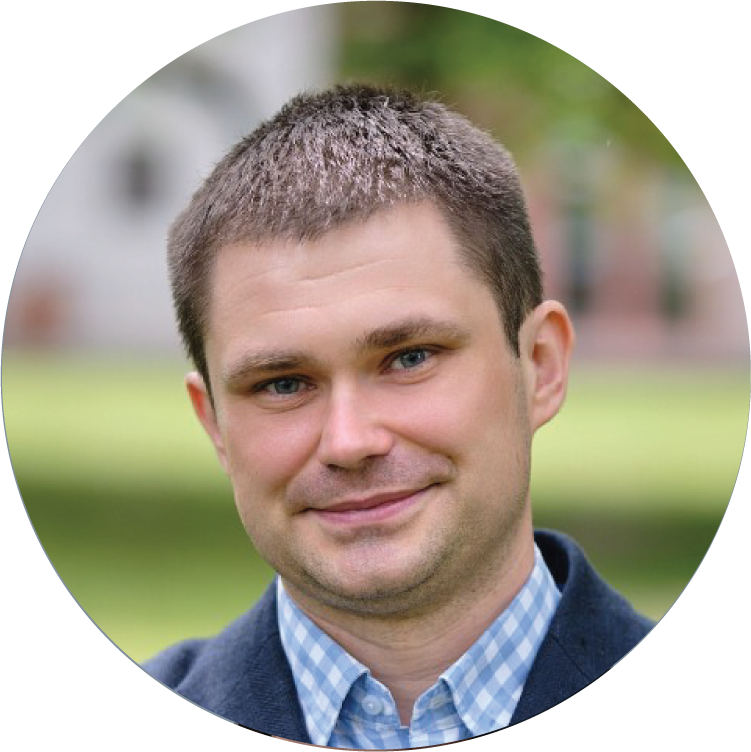
Krzysztof Mączka is a sociologist at the Faculty of Sociology, Adam Mickiewicz University in Poznań, Poland. His research focuses on public participation, social consultations, environmental sociology, public policy, and ecosystem services. He has extensive experience in research and stakeholder engagement related to environmental management and participatory processes. His current work also explores environmental and general life anxieties, as well as strategies for coping with them.
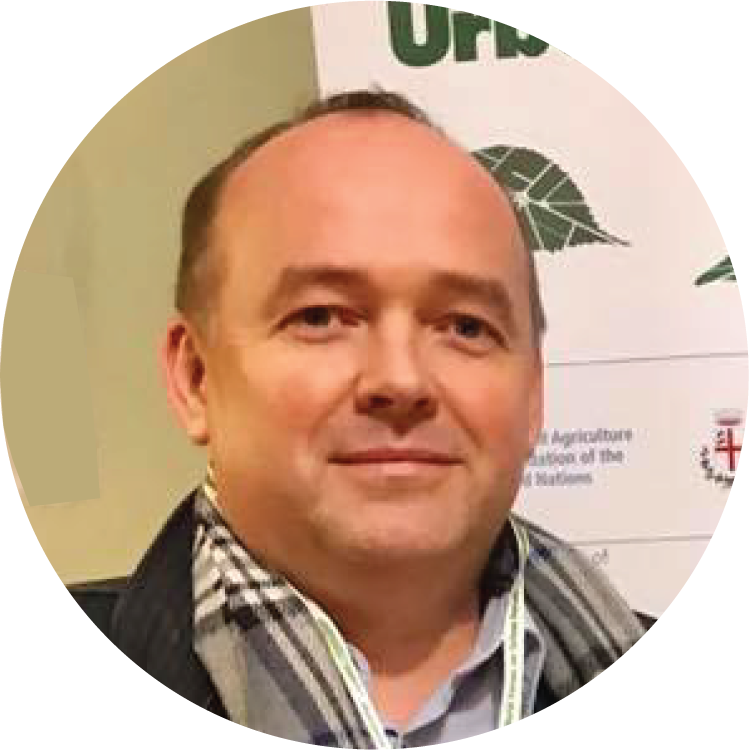
Piotr Wężyk is an Associate Professor at the Faculty of Forestry, University of Agriculture in Krakow, with over 30 years of experience in research and teaching in geoinformatics in forestry, urban forestry, and agriculture in the fields of LiDAR, Remote Sensing, and landscape architecture at UAK, LMU München (Germany), BOKU (Austria), UAM Poznan (Poland), and UJ Krakow (Poland). He was an organizer of many Summer Schools (e.g., GeoGorce or SIG Forestry EARSeL), a lecturer, and a co-editor of books and e-learning materials for courses prepared for Polish public administration (over 750 participants), e.g., on the usage of LiDAR or satellite remote sensing. He has professional experience from many international (5FP UE, LIFE UE) and national projects on research, development, and commercial implementation of geoinformation technologies.
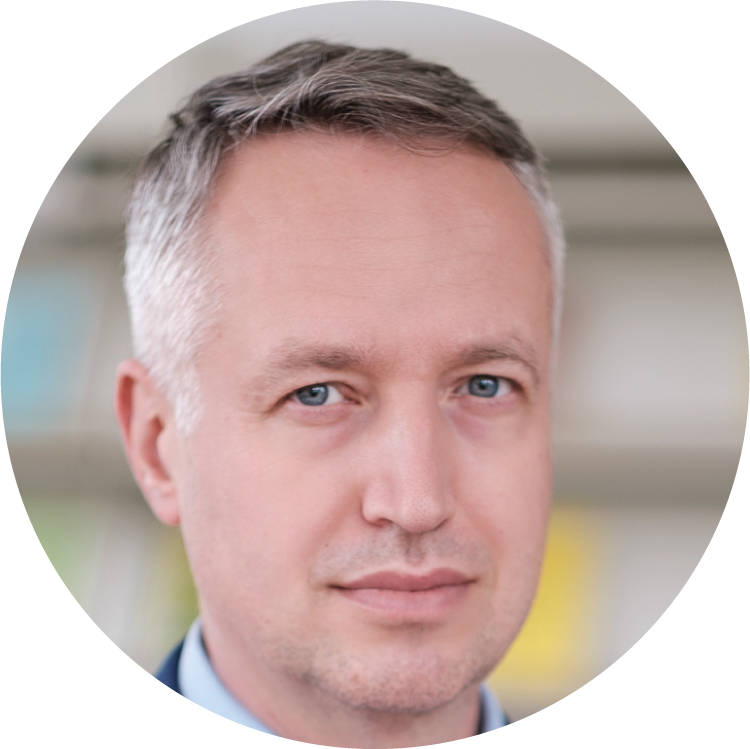
Piotr Jabkowski is an Associate Professor at the Faculty of Sociology, Adam Mickiewicz University, Poznan, and a member of the Sampling and Weighting Experts Panel in the European Social Survey for rounds 10, 11, and 12. His research focuses on the methodology of cross-country comparative surveys, the total survey error paradigm and sampling theory. He is also the author of a dozen publications. He is currently involved in preparing the “Frame and Sampling” chapter for the new edition of the United Nations Handbook of Household Surveys.
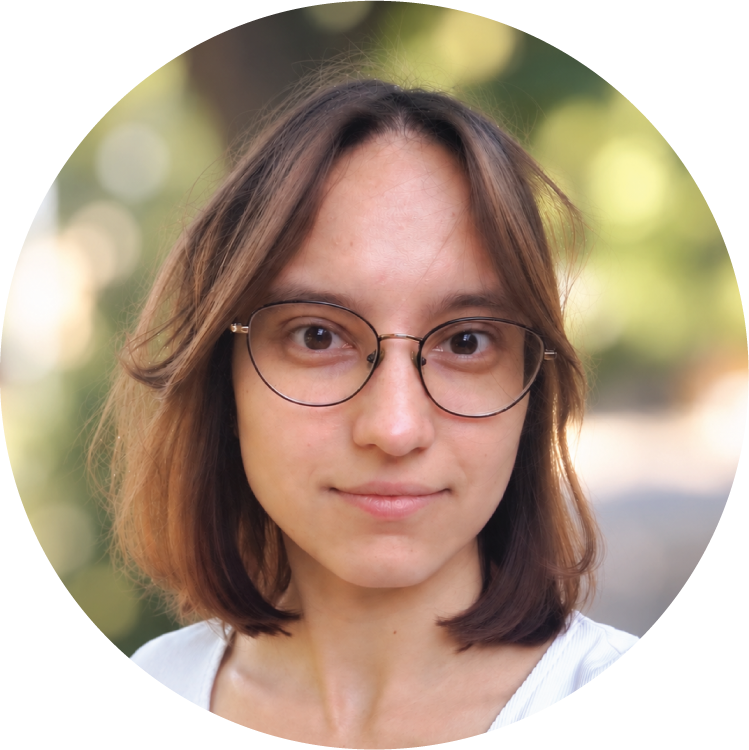
Klaudia Rodziejczak is a PhD candidate in psychology at the Faculty of Psychology and Cognitive Science, Adam Mickiewicz University in Poznań, Poland. Her research interests include prejudice, hate speech, social attitudes, and issues related to the LGBTQ+ community. She has experience in qualitative research, including in-depth interviews and focus groups, and has participated in research projects on social participation, local communities, and socio-political issues.
Local Scientific Supervisor:

Antoine Decoville is a senior researcher at the Luxembourg Institute of Socio-Economic Research (LISER), specialising in urban geography, spatial planning, and cross-border metropolitan development. His research focuses on cross-border integration, spatial planning, and the resilience of urban development patterns, with a strong emphasis on large-scale quantitative analyses. He also leads the Luxembourg Observatory for Spatial Development, providing evidence and decision support for national spatial planning policies, and has extensive experience in policy-oriented research for Luxembourg public authorities.
Mentor:

Filip Biljecki, Associate Professor at the National University of Singapore (NUS) and Director of the NUS Urban Analytics Lab. His research lies at the intersection of urban data science, geomatics, GIScience, and geospatial technologies, with particular expertise in 3D city modelling, urban digital twins, GeoAI, spatial data infrastructures, and large-scale urban data analysis. His work develops innovative data-driven methods for understanding cities and supporting applications in urban planning, climate, transport, and sustainability.
Scientific Advisory Board:
The Scientific Advisory Board brings together internationally recognised experts from complementary disciplines, providing strategic scientific guidance and interdisciplinary perspectives across urban forestry, remote sensing, environmental governance, and health geography.

Cecil C. Konijnendijk is an internationally recognised expert in urban forestry, urban greening, and nature-based solutions. He is an Honorary Professor of Urban Forestry at the University of British Columbia and Director and co-founder of the Nature Based Solutions Institute. With more than 30 years of experience in research, teaching, and advisory work, he is the originator of the influential 3+30+300 principle for greener and healthier cities.

Yuei-An Liou is Professor at the Center for Space and Remote Sensing Research, National Central University, Taiwan. His expertise spans remote sensing, hydrometeorology, GPS meteorology, environmental vulnerability assessment, and the application of artificial intelligence to environmental data analysis. His research contributes to environmental monitoring, water resources management, disaster risk reduction, and sustainable development.

Piotr Matczak is Professor at the Faculty of Sociology, Adam Mickiewicz University in Poznań. His research focuses on governance and the institutional dimensions of environmental and public policy, including climate change adaptation, environmental protection, water management, and natural disaster risk. He is also a member of the Committee on the Climate Crisis of the Polish Academy of Sciences.
Camille Perchoux is a Research Scientist at the Luxembourg Institute of Socio-Economic Research (LISER), specialising in health geography and the relationships between geographic environments, daily mobility, and health. She is the Principal Investigator of the ERC Starting Grant FragMent, which investigates how geographic environments and daily activities influence momentary, daily, and chronic stress. Her research combines spatial approaches with innovative methods for assessing environmental exposures and health in everyday life.